Acupuncture(TCM)
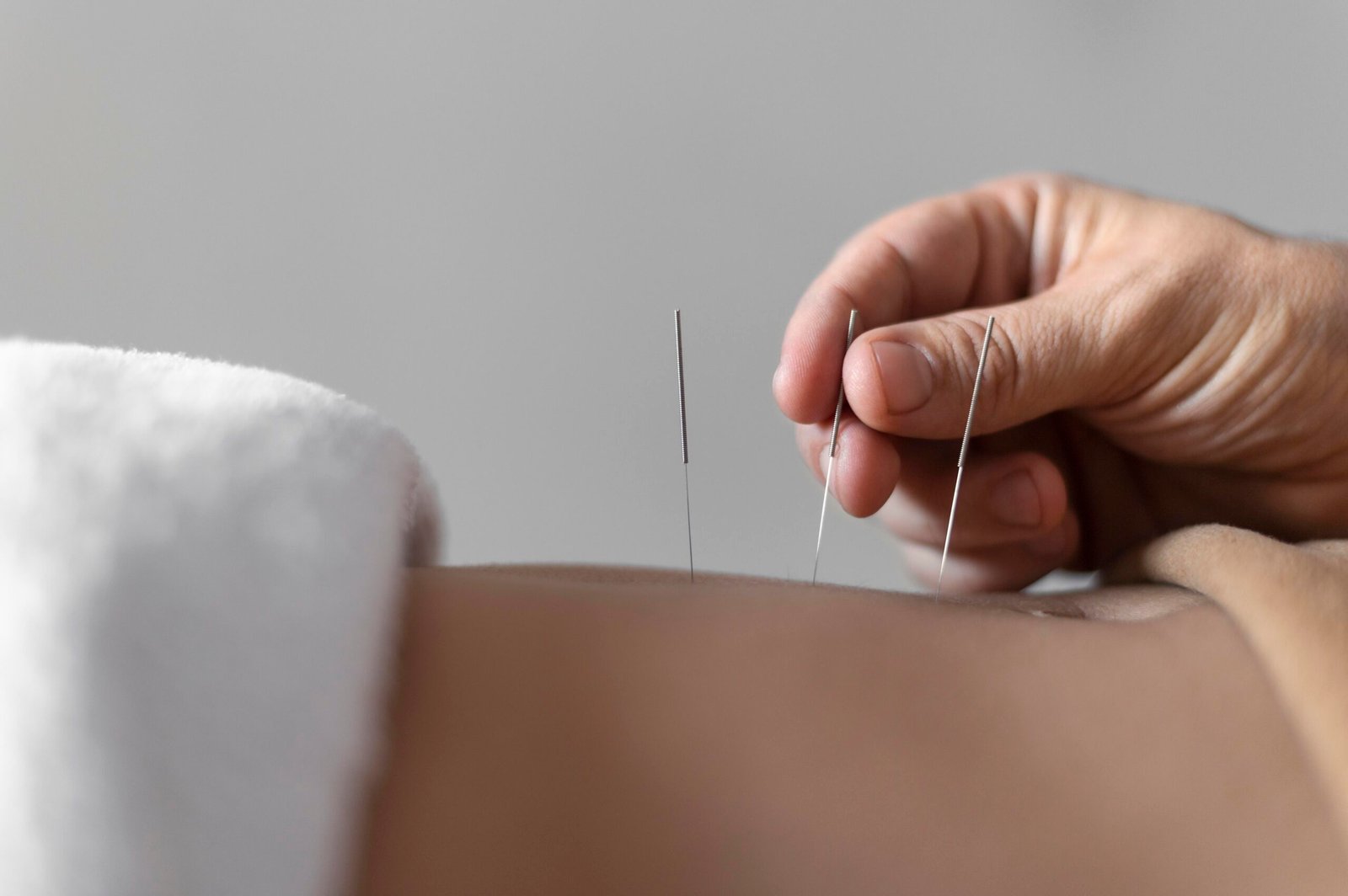
Acupuncture is a traditional medical treatment that involves inserting very thin needles into specific points of the body to promote healing and relieve pain. It is an important part of Traditional Chinese Medicine (TCM) and has been practiced for thousands of years.
The treatment aims to balance the body’s vital energy called Qi (Chi), which flows through pathways known as meridians.
2. History of Acupuncture
Acupuncture originated in ancient China around 3,000–5,000 years ago. Early Chinese physicians discovered that stimulating certain points on the body with needles could treat many diseases and relieve pain.
Over time, acupuncture spread to countries such as Japan, Korea, and other parts of Asia, and today it is widely practiced around the world as a complementary medical therapy.
3. How Acupuncture Works
According to traditional Chinese medicine, the body has energy channels called meridians. When the flow of energy (Qi) is blocked or unbalanced, illness or pain may occur.
Acupuncture works by:
-
Stimulating specific acupuncture points
-
Restoring the balance of energy flow
-
Improving blood circulation
-
Activating the body’s natural pain-relieving chemicals (endorphins)
Modern medical research also suggests that acupuncture stimulates the nervous system, helping the body heal naturally.
4. Common Acupuncture Points
Some commonly used acupuncture points include:
-
LI4 (Hegu) – Located between the thumb and index finger; helps relieve headaches and pain.
-
ST36 (Zusanli) – Located below the knee; improves digestion and boosts energy.
-
SP6 (Sanyinjiao) – Found above the ankle; used for hormonal balance and menstrual problems.
-
GV20 (Baihui) – Located on the top of the head; helps reduce stress and improve mental clarity.
5. Benefits of Acupuncture
Acupuncture can help treat many health problems, such as:
-
Chronic pain (back pain, neck pain, arthritis)
-
Headaches and migraines
-
Stress and anxiety
-
Insomnia (sleep problems)
-
Digestive disorders
-
Menstrual pain
-
Nausea and vomiting
It is often used as a complementary therapy along with conventional medical treatment.
6. Procedure of Acupuncture Treatment
A typical acupuncture session involves the following steps:
-
The patient lies down comfortably.
-
The acupuncturist examines the patient’s condition.
-
Thin sterile needles are inserted into specific acupuncture points.
-
The needles remain in place for 15–30 minutes.
-
The therapist may gently move or rotate the needles to stimulate the points.
The treatment is usually not painful, and many patients feel relaxed during the session.
7. Advantages of Acupuncture
-
Natural treatment method
-
Minimal side effects
-
Helps reduce pain without medication
-
Improves overall body balance
-
Can treat a wide range of conditions
8. Precautions
Some precautions to consider include:
-
Treatment should be done by a trained professional
-
Use sterile, disposable needles to prevent infection
-
People with bleeding disorders should consult a doctor first
-
Pregnant women should avoid certain acupuncture points
9. Conclusion
Acupuncture is an ancient healing therapy that uses fine needles to stimulate specific points on the body. It helps restore the balance of energy, reduce pain, and improve overall health. Today, acupuncture is widely accepted as a safe and effective complementary treatment for many medical conditions.